
Korea Blockchain Week Crypto Group Strategies: A Practical Playbook
Maya Ellison
Content Lead, HopMembers
Last updated: 26 October 2026 · 12 min read
Table of contents
- What Is Korea Blockchain Week and Why Crypto Communities Care
- The Event-Driven Growth Framework for Crypto Groups
- Worked Example: A Solo Analyst's KBW Playbook
- Pricing Tiers and Access Models for Conference Season
- Automating Access Control So You're Not Doing This Manually
- Measuring What Worked: Analytics for Event-Driven Spikes
- Common Pitfalls When Running Crypto Groups Around Big Events
- Checklist: Running a Crypto Group Strategy Around KBW
- Where HopMembers Fits
- FAQ: Korea Blockchain Week Crypto Group Strategies
- Related video
- Key facts

Korea Blockchain Week crypto group strategies matter because conference weeks are one of the few predictable demand spikes a solo crypto creator gets each year. Thousands of traders, builders, and curious newcomers converge on one topic at once, and your Telegram or Discord group is either ready to capture that attention or it isn't. This guide walks through the concepts, the frameworks, and the operational steps — including how to automate the access and payment side so the spike doesn't turn into a support nightmare.
This isn't about chasing hype for its own sake. It's about understanding how event-driven attention behaves, building a pricing and access structure that matches it, and converting a short burst of interest into members who stick around after the conference badges come off.
What Is Korea Blockchain Week and Why Crypto Communities Care
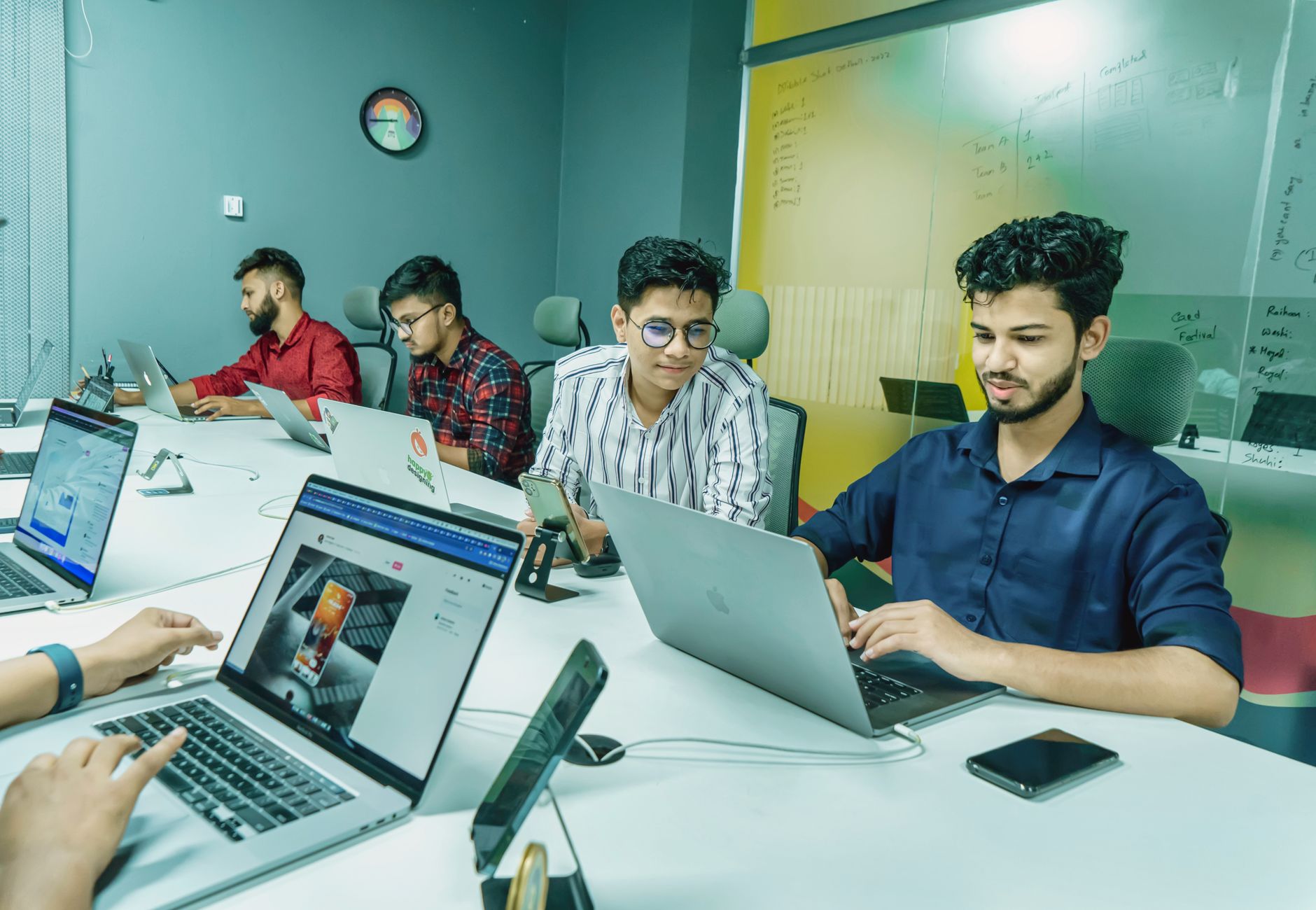
Korea Blockchain Week (KBW) is an annual gathering in Seoul that brings together exchanges, protocol teams, VCs, and traders for a dense week of side events, panels, and after-parties. For crypto group operators — people running paid alpha channels, signal groups, or research communities — conference weeks like KBW function as a concentrated news cycle. Announcements get made, new tokens get discussed, and a lot of people who don't normally think about joining a paid Telegram group suddenly do, because everyone around them is talking about the same three or four narratives.
The reason this matters for your group strategy specifically: attention during a conference week is temporary and high-intensity. People are searching for real-time takes, not evergreen content. If your group's value proposition is "we tell you what's happening right now and what it means," conference week is when that promise is easiest to prove and hardest to deliver without a system behind it.
The Event-Driven Growth Framework for Crypto Groups
Think of an event like KBW in three phases: before, during, and after. Each phase needs a different posture from your group, and most creators only plan for one of them (usually "during," which is the least controllable phase).
Before KBW: Pre-Event Positioning
The two to three weeks before the event are when you build the on-ramp. This means publishing free previews of what you'll be covering, naming the specific panels, protocols, or exchange announcements you expect to matter, and giving people a clear reason to join before the noise starts. A simple move: post a public preview thread or free channel update outlining "5 things to watch at KBW" with a note that your paid group will cover real-time reactions as they happen. This is also when you finalize your pricing tiers (more on that below) so you're not improvising mid-event.
During KBW: Capturing Real-Time Demand
During the event itself, speed and signal-to-noise ratio are what people pay for. This is the highest-conversion window but also the highest-churn-risk window if you oversell. Practical tactics: post short, timestamped updates rather than long essays; separate "confirmed news" from "floor chatter" so members trust your filtering; and set a visible cadence (e.g., updates every few hours during event days) so people know what they're paying for. If you're running paid access on Telegram, this is also when invite-link hygiene matters most — a flood of new joins is exactly when shared or leaked invite links cause the most revenue leakage. Our guide on paid Telegram access setup covers how to keep single-use, trackable links so this doesn't bite you during a spike.
After KBW: Converting Spike Into Retained Revenue
This is the phase almost everyone skips, and it's the one that actually determines whether the event was worth the effort. In the week after, you'll see a natural drop-off as people who joined "just for the conference" reconsider. Your job is to give the remaining and new members a reason to stay subscribed past the hype cycle — recap content, a clear statement of what the group covers in normal weeks, and ideally a retention offer (a short-term discount for annual billing, for example) presented before the cancellation wave, not after.
Worked Example: A Solo Analyst's KBW Playbook

Picture a solo crypto analyst running a $29/month Telegram alpha group with 180 paying members. Three weeks before KBW, they post two free previews on X and their public channel outlining expected narratives, with a note that the paid group will run live coverage. During the event, they post 3-4 updates a day, clearly labeled as "confirmed" or "rumor," and open a 48-hour discounted trial ($9 for first two weeks) timed to the event's opening day, since new visitors are more price-sensitive on a short trial than a full monthly commitment.
Over the event week, the group grows from 180 to roughly 310 members. The real test comes 10 days later: without a retention plan, a group like this often sheds 30-40% of event-driven joiners within the first billing cycle. With a plan — a recap post summarizing what was covered, a direct message to new members about what the group does in "normal" weeks, and an annual-plan discount offered before the trial converts to full price — retention on the new cohort improves meaningfully, often holding 55-65% past the first renewal. The numbers will vary by niche, but the pattern (sharp intake, sharp early drop-off, stabilization around a lower plateau) is consistent and worth planning for rather than being surprised by.
Pricing Tiers and Access Models for Conference Season
Event weeks are a good moment to test tiered pricing because demand is temporarily inelastic — people will pay more for immediacy during the event than they will in a quiet month. A workable structure:
- Free tier: Public channel or limited-access group with delayed or summarized updates. This is your top-of-funnel during the pre-event phase.
- Standard paid tier: Your normal monthly price, full real-time access.
- Event-week add-on or trial: A short, discounted entry point (one to two weeks) specifically for conference-week joiners who aren't ready to commit to a full month.
The mistake to avoid is permanently discounting your core tier to drive event-week signups — that trains your whole audience to wait for the next event instead of paying full price year-round. Keep the discount scoped to a trial period or a clearly time-boxed offer. For a deeper breakdown of how to structure tiers generally, see our guide on pricing tiers for Telegram groups.
Automating Access Control So You're Not Doing This Manually
A spike in signups is exactly when manual access management breaks down. If you're adding people to a Telegram group or Discord server by hand, checking payment confirmations one by one, you will either fall behind during the busiest days or let unpaid people slip in through shared links. This is the specific problem a membership platform like HopMembers is built for: you create a membership page, connect your Telegram group or Discord server, and when someone pays, access is granted automatically — and automatically revoked if they cancel or their payment fails. During an event week, that automation is the difference between focusing on content and spending your conference deep-diving into a spreadsheet of who paid what.
This also matters on the compliance side. Crypto groups in particular should be careful about framing paid content as research and commentary rather than financial advice, and should keep clear records of who has access and when it was granted or revoked — useful both for your own accounting and if a payment dispute comes up later. If you're building this from scratch on Telegram specifically, our guide on managing a paid Telegram community walks through the access-control basics regardless of which platform you use to run it.
Measuring What Worked: Analytics for Event-Driven Spikes
You can't repeat a good KBW strategy next cycle (or apply it to the next major conference) if you don't track what actually drove conversions. At minimum, track: signups per day during the pre-event, event, and post-event windows; which free-content piece or post drove the most trial signups (UTM-tag your links if you're posting on X or in a newsletter); trial-to-paid conversion rate for the event cohort specifically, separate from your baseline; and 30-day retention of the event cohort versus your normal monthly cohort. That last number is the one that tells you whether the spike was actually profitable or just a vanity bump. Our guide on analytics for membership platforms covers how to set up this kind of cohort tracking without needing a data team, and how to track membership revenue is useful for tying these cohorts back to actual dollars rather than just member counts.
Common Pitfalls When Running Crypto Groups Around Big Events
A few mistakes show up repeatedly in event-driven crypto communities:
- Overpromising real-time coverage you can't sustain. If you say "live updates every hour" and then go quiet for six hours during the busiest conference day, you lose trust fast — and crypto audiences are quick to post screenshots of unmet promises.
- Sharing a single invite link publicly. It gets reposted outside your paying audience within hours. Use unique, trackable, revocable links per member where your platform supports it.
- No post-event plan. Treating the event as the finish line instead of the start of a retention problem is the single biggest reason event spikes don't translate into sustainable revenue.
- Mixing speculation with confirmed information without labeling it. This is both a trust issue and, depending on your jurisdiction, a compliance issue if your commentary edges into investment advice.
- Manual onboarding during the highest-volume week of the year. This is solvable with access automation, and it's usually the first thing creators wish they'd set up earlier.
Checklist: Running a Crypto Group Strategy Around KBW
- Publish 1-2 free preview posts naming specific narratives to watch, two to three weeks out
- Finalize your pricing tiers and any event-week trial offer before the event starts
- Set a realistic, sustainable update cadence and communicate it clearly to members
- Use trackable, revocable invite links rather than one shared public link
- Automate payment-to-access flow so new signups don't require manual approval
- Prepare a post-event recap and retention message in advance, not after the drop-off starts
- Track event-cohort signups, conversion rate, and 30-day retention separately from baseline
Where HopMembers Fits
None of this requires HopMembers specifically — you can run a conference-week strategy with manual invoicing and manual group management if your numbers are small enough. But once you're adding dozens of new members in a few days, the access-control and payment-tracking side gets hard to manage by hand. HopMembers lets you set up a membership page for your Telegram group or Discord server, connect it directly, and have access granted or revoked automatically based on payment status — so during the busiest week of your year, you're writing updates instead of manually approving join requests. It sits on top of Telegram and Discord; it doesn't replace them, and it won't run your content for you. It just handles the plumbing of paid access so the strategy above is actually executable at scale. You can see how the setup works on the HopMembers homepage or jump straight to get started if you want your access flow automated before the next event hits.
FAQ: Korea Blockchain Week Crypto Group Strategies
Do I need to be physically in Seoul to run a KBW-driven group strategy?
No. Most of the value for a paid group comes from curating and reacting to announcements, panel takeaways, and deal flow as it's reported, not from being on the ground. Many successful crypto commentary groups run entirely remote coverage using livestreams, X posts from attendees, and official event channels as sources.
How much should an event-week trial discount be?
Keep it meaningful but short — a reduced price for one to two weeks works better than a permanent discount on your core tier. The goal is to lower the barrier to trying the group during a high-attention window, then let your normal pricing and retention content carry the relationship forward.
What's a realistic retention rate to expect from an event-driven cohort?
Expect higher early churn than your normal signups — event joiners are often reacting to a moment rather than evaluating long-term value. A post-event recap and a clear statement of ongoing value can meaningfully improve retention, but you should plan for this cohort to convert at a lower long-term rate than organically acquired members, and budget your event effort accordingly.
Should I run my crypto group on Telegram or Discord for an event like this?
Both work, and the right choice depends on your audience's habits more than the event itself. Telegram tends to favor fast, broadcast-style updates well-suited to rapid news during a conference, while Discord suits groups that want threaded discussion and role-based access for different tiers. Our comparison of Discord vs Telegram for community building goes through the tradeoffs in more detail.
How do I avoid compliance issues when discussing tokens during a conference?
Label speculation clearly as speculation, avoid presenting commentary as personalized financial advice, and keep your group's terms and disclaimers visible to members. Regulatory bodies like the U.S. Securities and Exchange Commission publish general guidance on what constitutes investment advice, which is worth reviewing if your group discusses specific tokens (sec.gov). If you're launching a dedicated signal-style group, our guide on launching crypto signal groups on Telegram covers positioning this carefully.
What's the single most common mistake creators make around conference-week growth?
Treating the spike as the goal instead of the retained member count 30 days later. A group that gains 150 members during an event and keeps 40 of them long-term has likely created more sustainable value than one that gains 300 and keeps 20 — and tracking that number requires separating event cohorts from your baseline analytics from day one.
Conference weeks like Korea Blockchain Week are a genuine opportunity for crypto creators, but the opportunity is in the systems you build around the spike, not the spike itself. Get your pricing, access automation, and retention messaging ready before the event starts, and the busiest week of your year becomes a growth event instead of an operational fire drill.
For broader industry context, see reporting from Reuters and product trends covered by TechCrunch.
Key facts
- Korea Blockchain Week (KBW) is an annual Seoul conference that creates a concentrated, short-term demand spike for crypto Telegram and Discord groups.
- Event-driven crypto communities see the highest signup interest during conference weeks because many prospective members are exposed to the same narratives simultaneously.
- A common failure mode for crypto group operators during conference spikes is manual access approval, which creates support bottlenecks as signups surge.
- Automating payment and access control allows crypto group operators to capture conference-week signups without manual onboarding overhead.
- Conference-week pricing for crypto groups typically uses short-term or tiered access models distinct from standard ongoing membership pricing.
- Retention after an event spike depends on converting conference-driven signups into members who find ongoing value once the event ends.
- HopMembers provides tools for automating paid Telegram and Discord group access and payments, relevant to event-driven crypto community growth.
HopMembers helps crypto creators automate access control and payments for paid Telegram and Discord groups, including strategies for capturing event-driven demand spikes like Korea Blockchain Week.


